
January is Glaucoma Awareness Month, a time to shine a light on one of the leading causes of irreversible blindness worldwide, and to remind everyone that early detection can save sight.
What Is Glaucoma?
Glaucoma is an eye disease that damages the optic nerve, often due to increased pressure inside the eye. The optic nerve sends visual information from the optic nerve to the brain to decipher these visual cues. It typically develops without early symptoms and many people don’t realize they have glaucoma until vision loss has already begun with loss of peripheral (side) vision.
Why Early Detection Matters
Vision loss from glaucoma is permanent, but it is often preventable with timely diagnosis and treatment. Routine, comprehensive eye exams are the only reliable way to detect glaucoma early before noticeable vision changes occur.
Who Is at Risk?
You may be at increased risk for glaucoma if you:
- Are over the age of 40 (more common in older adults over 60, but possible at any age)
- Have a family history of glaucoma
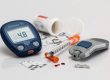
- Have diabetes or high blood pressure, suffer from migraines or have sickle cell disease
- Are African American, Hispanic, or Asian
- Extreme near or farsightedness
- Have had eye injuries or long-term steroid use
If any of these apply to you, regular eye exams are especially important.
Common Types of Glaucoma and Symptoms
If you have risk factors for developing glaucoma, be vigilant about recognizing symptoms and seek treatment as early.
- Open-angle glaucoma – The most common form of glaucoma. It progresses slowly and painlessly. Initially, peripheral vision will begin to be affected, later the central vision may also become blurry.
- Angle-closure glaucoma – Less common but a medical emergency. Symptoms may include eye pain, headache, halos, or nausea. Seek treatment immediately to preserve vision.
- Normal-tension glaucoma – Optic nerve damage occurs despite normal eye pressure. Gradual peripheral vision loss will start to occur.
- Childhood glaucoma – In children and infants, parents may notice dull or cloudy eyes, frequent blinking, crying without tears, nearsightedness that gets worse and child complaints of headaches.
How Is Glaucoma Treated?
While glaucoma cannot be cured, it can be managed. Treatment options may include:
- Prescription eye drops
- Oral medications
- Laser procedures
- Surgical intervention
The goal is to lower eye pressure and prevent further vision loss.
What You Can Do This Month
- Schedule a comprehensive eye exam
- Encourage family members to get checked
- Learn your family eye health history
- Share information to raise awareness
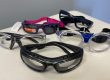
- Wear eye protection to avoid injury when participating in sports or using power tools
- Take prescribed eye drops as directed by your eye care professional
Your Vision Is Worth Protecting
Glaucoma doesn’t have to steal your sight but it does require awareness and action. This Glaucoma Awareness Month, take a proactive step toward lifelong vision health by prioritizing regular eye care.
If you’re due for an eye exam or have questions about glaucoma, our team is here to help.
Call us at 989-799-2020 (in Saginaw) or 989-872-4900 (Cass City) to schedule your appointment today.